


Common Mistakes to Avoid When Disposing of Sensitive Documents and Devices
Most data breaches don’t start with a sophisticated cyberattack. They start with a recycling bin, an old hard drive left in a desk drawer, or a stack of documents handed off to a general waste hauler without a second thought. The vulnerabilities that expose businesses and individuals to the biggest risks are often the most ordinary ones; the ones that feel too routine to worry about.
If you handle sensitive information in any capacity, the way you dispose of it matters just as much as the way you protect it. Here are the most common mistakes people make and what to do instead.
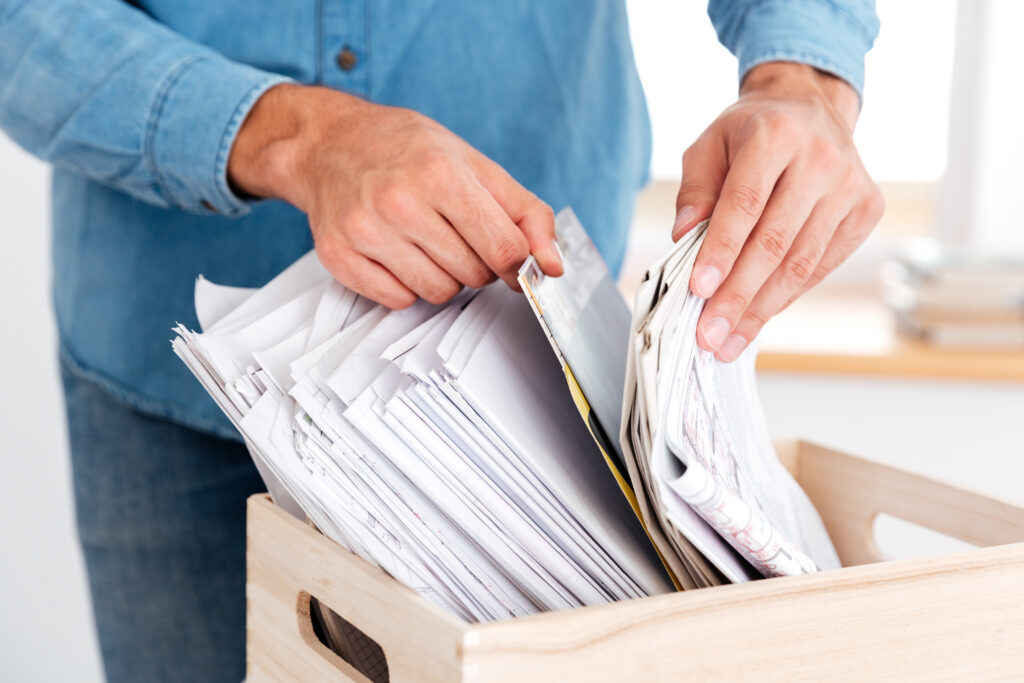
Mistake 1: Thinking a Home Shredder Is Enough
Consumer-grade paper shredding machines are better than nothing, but they’re not a security solution. Strip-cut shredders produce long, readable ribbons of paper that can be reassembled with patience and the right tools. Even some cross-cut shredders leave pieces large enough to reconstruct meaningful information.
For anything truly sensitive; tax documents, employee records, client files, financial statements, legal documents; the standard you need is industrial-grade document destruction performed by a certified provider. The difference in security between a desktop shredder and a professional shredding service isn’t minor. It’s the difference between inconvenience and actual protection.
Mistake 2: Tossing Old Hard Drives Without Destroying Them
This one catches a lot of people off guard. Deleting files doesn’t remove them from a hard drive. Reformatting doesn’t either. Even factory resetting a device leaves data recoverable with widely available software. The only way to ensure that data on a hard drive is truly gone is physical hard drive destruction; crushing, shredding, or degaussing the drive so the platters are beyond recovery.
This applies to laptops, desktop computers, external drives, USB drives, and any other storage media. If a device has ever touched sensitive information, it needs to be properly destroyed before it leaves your hands; not donated, not sold, not thrown in the trash.
Mistake 3: Mixing Sensitive Documents Into Regular Recycling
Paper recycling is an environmental good, but a general recycling bin is not a secure disposal method. Documents dropped into recycling are accessible to anyone who gets near that bin before it’s picked up; whether that’s a passerby, a building maintenance worker, or someone specifically looking for information. This is one of the most common entry points for dumpster diving, which remains a viable and frequently used method of identity theft and corporate espionage.
Proper document destruction means shredding, not recycling. A professional shredding service will also recycle the shredded material afterward, so you don’t have to choose between security and sustainability.
Mistake 4: Waiting Too Long to Dispose of Documents
Many businesses and individuals hold onto sensitive documents far longer than necessary, either out of habit or uncertainty about retention requirements. The longer sensitive materials sit around, the more exposure they create through theft, loss, fire, flood, or unauthorized access.
Having a clear document retention policy and a regular shredding schedule eliminates the risk that accumulates over time. Scheduled shredding services make the process easy; you set the frequency, and a certified provider handles the rest on a predictable cycle.
Mistake 5: Using an Uncertified Shredding Provider
Not all shredding companies operate to the same standard. If you’re handing over confidential documents or devices to a provider who isn’t certified, you have no real way to verify that your materials were actually destroyed or that your data didn’t change hands somewhere between pickup and disposal.
The credential to look for is NAID AAA Certification, issued by the National Association for Information Destruction. This certification requires providers to pass both scheduled and unannounced audits covering every aspect of their destruction process. It’s the clearest indicator that a shredding company holds itself to a documented and verifiable standard.
Mistake 6: No Certificate of Destruction
When sensitive documents or devices are destroyed, you should receive a certificate of destruction confirming that the work was done. This matters for regulatory compliance, internal record-keeping, and liability protection. If you ever need to demonstrate due diligence in how your organization handled sensitive information, that certificate is your documentation.
If your current shredding provider doesn’t issue certificates of destruction, that’s worth reconsidering.
Mistake 7: Assuming This Only Applies to Businesses
Individuals are just as vulnerable as businesses when it comes to improper document disposal. Bank statements, medical records, old tax returns, insurance documents, anything with a Social Security number, account number, or medical information should be properly shredded rather than thrown away. Residential shredding services exist specifically for this reason and are more affordable and accessible than most people realize.
IDS AutoShred: Certified Document and Device Destruction in NYC, NJ, and Beyond
IDS AutoShred is an NAID AAA Certified, on-site document destruction company serving businesses and individuals across New York, New Jersey, Pennsylvania, Connecticut, and Delaware. Their mobile shredding trucks come directly to your location and destroy your materials on-site, so you can witness the destruction firsthand without your documents ever leaving your premises in readable form.
Beyond paper shredding, IDS AutoShred handles hard drive destruction and electronic media destruction, covering the full range of sensitive assets that need to be properly disposed of. Every service comes with a certificate of destruction, and their team works with businesses of all sizes to set up scheduled shredding plans that keep sensitive materials from piling up.
Whether you need a one-time purge or a recurring shredding program, IDS AutoShred has the credentials, the equipment, and the track record to handle it right. To get started, call (877) 777-4371, reach the New York office at (212) 344-1010, or visit idsautoshred.net.
Frequently Asked Questions
Is deleting files from a hard drive enough to protect your data?
No. Deleting files or reformatting a drive does not permanently remove data. The information remains recoverable using widely available software. Physical hard drive destruction is the only reliable way to ensure data is unrecoverable.
What documents should be professionally shredded?
Any document containing personal identifying information, financial records, medical records, legal documents, employee files, client records, or confidential business information should be professionally shredded rather than recycled or thrown away.
What is NAID AAA certification, and why does it matter?
NAID AAA Certification is issued by the National Association for Information Destruction and verifies that a shredding provider meets rigorous security standards through both scheduled and unannounced audits. It’s the industry’s most trusted credential for certified document destruction providers.
What is a certificate of destruction?
A certificate of destruction is a document your shredding provider issues after completing a job. It confirms that your materials were destroyed and provides a record for compliance, audit, and liability purposes.
What’s the difference between on-site and off-site shredding?
On-site shredding means a mobile truck comes to your location and destroys materials on the spot; you can watch it happen. Off-site shredding means materials are transported to a secure facility for destruction. Both are valid options; on-site offers the added security of witnessed destruction without your documents ever leaving in readable form.
Does IDS AutoShred handle hard drive and electronic media destruction?
Yes. In addition to paper shredding, IDS AutoShred provides hard drive destruction and electronic media destruction services, with certificates of destruction issued for each job.